
Clinical leadership, shared expertise: introducing our Professional Lead for Occupational Therapy
When you refer a client for an occupational therapy assessment, you want confidence that they are in the right hands. You need a therapist with the right experience, practical recommendations that make a difference and clear communication throughout the process.
But what sits behind a good occupational therapy service is just as important as the individual therapist delivering it.
At The OT Practice, our nationwide network of more than 350 occupational therapists is supported by an established clinical leadership structure, specialist knowledge and a dedicated team focused on professional development, quality and governance. We believe that excellent clinical practice is strengthened when therapists have the right people, resources and expertise around them.
We are delighted to introduce Raakhee, our new Professional Lead for Occupational Therapy. Bringing extensive clinical experience and a strong passion for professional development, she will help strengthen the connection between clinical expertise, shared learning and the quality of practice across our network.
A network supported by clinical expertise
Delivering a consistent, high-quality service across a nationwide network requires more than individual clinical experience. It needs a connected team of professionals who can provide guidance, share knowledge and support therapists throughout their work.
At The OT Practice, this support comes from several complementary roles. Our Operations Directors oversee the delivery of their respective services, while Sarah Doyle, our Therapist Network Director, leads the development, engagement and support of our therapist network, including the frameworks, resources and processes that help therapists work effectively. Our Clinical Leads provide specialist knowledge across our areas of practice, offering clinical guidance, mentoring and a point of contact for therapists when they need advice or support. Raakhee's role complements this structure by providing dedicated professional leadership across occupational therapy, connecting clinical practice with professional standards, quality, governance and continuous improvement.
Together, these complementary roles connect day-to-day service delivery with specialist clinical guidance and professional leadership.
Introducing Raakhee: experience that connects practice and leadership
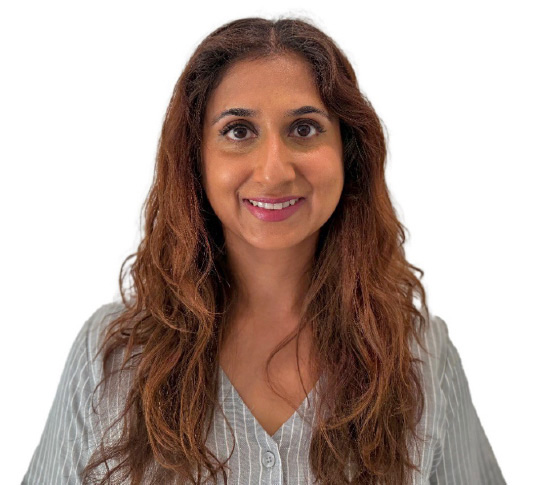 Raakhee brings experience across adult social care, functional and vocational rehabilitation, hand therapy and specialist neurorehabilitation. She has also held a senior leadership position within a specialist multidisciplinary neurorehabilitation service and, alongside her clinical experience, has undertaken postgraduate business studies.
This combination of clinical knowledge and leadership experience gives her a valuable perspective on how professional expertise can be supported and developed within a wider service.
Working alongside our Clinical Leads and Therapist Network Team, Raakhee will help develop clinical guidance and resources, share specialist knowledge and strengthen opportunities for professional learning. An important part of this will be recognising the expertise that already exists across our network and creating opportunities for therapists to learn from one another.
Her appointment reflects our continued investment in the professional leadership and clinical infrastructure that supports our occupational therapists.
Clinical support that continues beyond the first referral
We recognise that working independently does not mean working alone. Our Clinical Leads cover all our specialisms, providing therapists with access to experienced clinicians who understand the challenges and complexities of their areas of practice. They offer guidance, mentoring and opportunities to discuss clinical reasoning, approaches to intervention and more complex situations.
Each new therapist is guided through their first case, with clinical guidance and reassurance as they become familiar with our processes and ways of working. Beyond induction, ongoing discussion, supervision, professional development, training and shared learning continue that support. Our therapists can also access a growing library of clinical resources, regular training sessions, webinars and opportunities to connect with colleagues across the network.
For us, this is an important part of maintaining quality. We want therapists to feel confident in their practice, know where to turn when they need advice and have opportunities to keep developing their skills and knowledge.
 Sam Wade, our Paediatric Clinical Lead, explains what this support means to her:
"I love supporting new therapists as they join us, helping them believe in themselves and recognise the experience they already bring. Having someone alongside you through your first case and thereafter can make such a difference. I want therapists to know they can ask questions and that they're not on their own."
One therapist's feedback captures the value of that connection:
"I was nervous about working in independent practice, as I have been very used to the support and team dynamic of the NHS, but I have had such a positive experience working alongside everyone at TOTP, and I would highly recommend it as an organisation for other OTs too! Even though I work in silo in practice, it feels like a lovely supportive team and network to be a part of, and I wanted to express my gratitude for that and the culture that has been cultivated, despite all working remotely from each other."
It is this sense of connection, combined with accessible clinical expertise, that we want every therapist in our network to experience.
Listening, learning and continually improving
Clinical quality is not simply about meeting professional standards or responding when something needs to change. It is also about recognising what works well, understanding why and sharing that learning so it can benefit others.
Every assessment, intervention and client journey offers an opportunity to learn. It might be an effective recommendation, a different approach to a complex situation or feedback that helps us understand how our service is experienced by clients and referrers. Raakhee will play an important role in bringing these insights together, working with our Clinical Leads to share good practice, strengthen clinical guidance and translate learning into meaningful improvements.
We also recognise the importance of having the right systems and processes to support quality across our network. Our clinical resources, governance frameworks, reporting processes and ongoing professional development all contribute to helping therapists deliver work to a high standard. We also capture and measure outcomes, helping us understand the difference our work makes and demonstrate the value of occupational therapy interventions.
What this means for case managers and clients
For case managers, this support translates into practical reassurance at each stage of a referral. We match each referral to a therapist whose experience and expertise suit the client's needs and the work required. Where specialist guidance or a second opinion is needed, the therapist can draw on our Clinical Leads and wider network.
Our Customer Portal gives case managers visibility of case progress and access to real-time case information, helping them stay informed throughout the process. The aim is to provide relevant, practical recommendations that help case managers make informed decisions about their clients' care, support and independence.
One network, shared expertise, better outcomes
Raakhee's appointment builds on the expertise already within our network, helping us turn shared knowledge and learning into improvements in practice.
Over the coming months, we will introduce our Clinical Leads and share more about their specialist expertise and the support they provide to our therapists. We hope this will offer a greater insight into the people, knowledge and clinical infrastructure behind our network.
Because excellent occupational therapy relies not only on the expertise of individual clinicians, but also on the strength of the professional community supporting them.
